
The Youth Peacebuilders’ Dialogue brought together young people from 16 countries
November 11, 2026
Petra Koskenranta
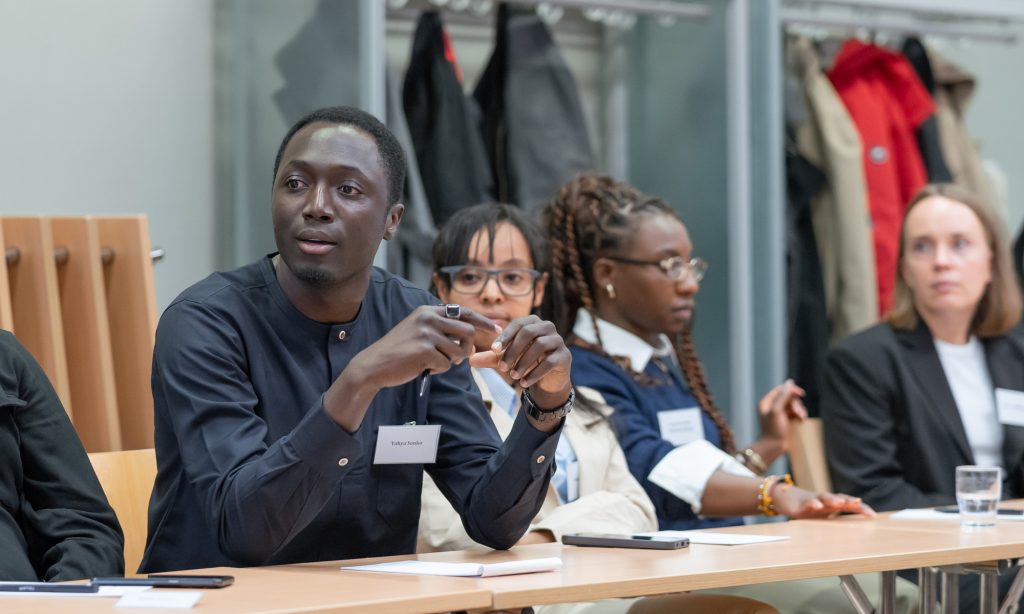
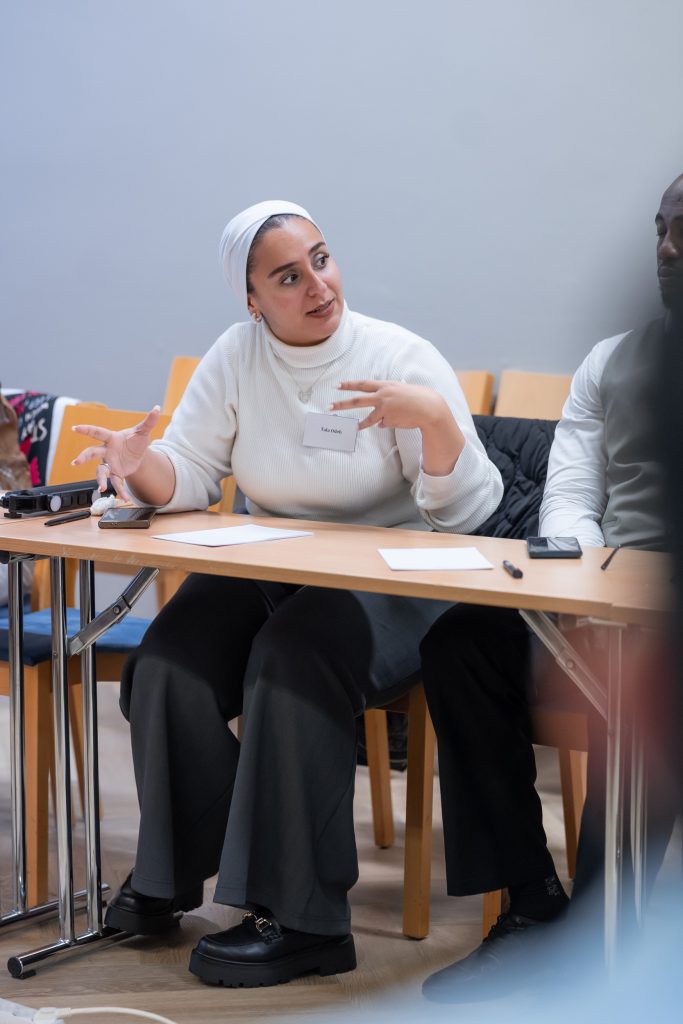
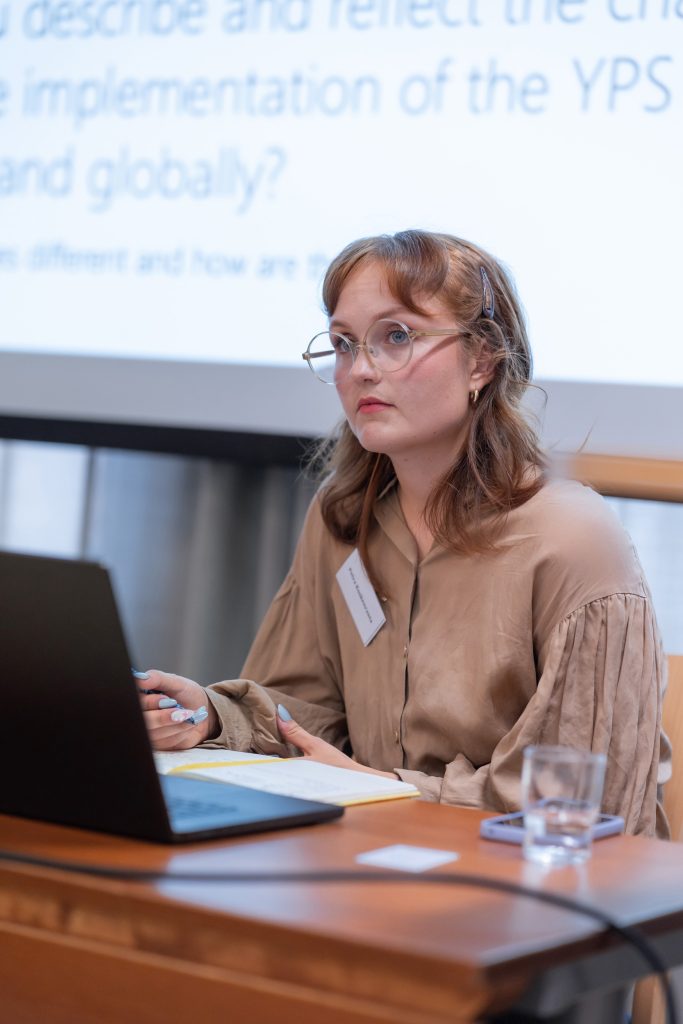
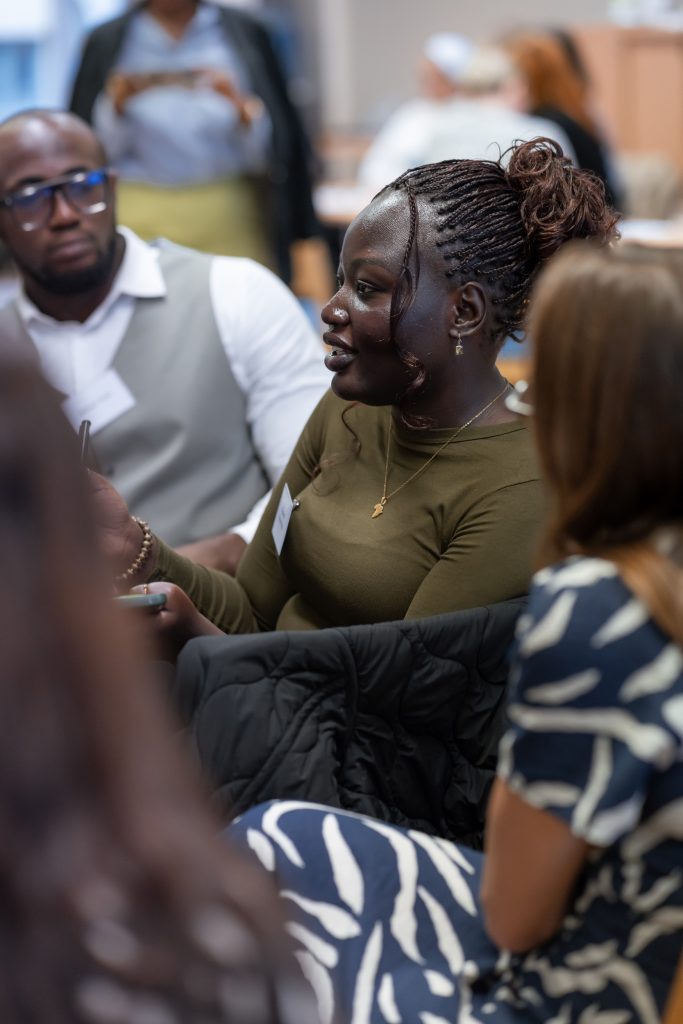
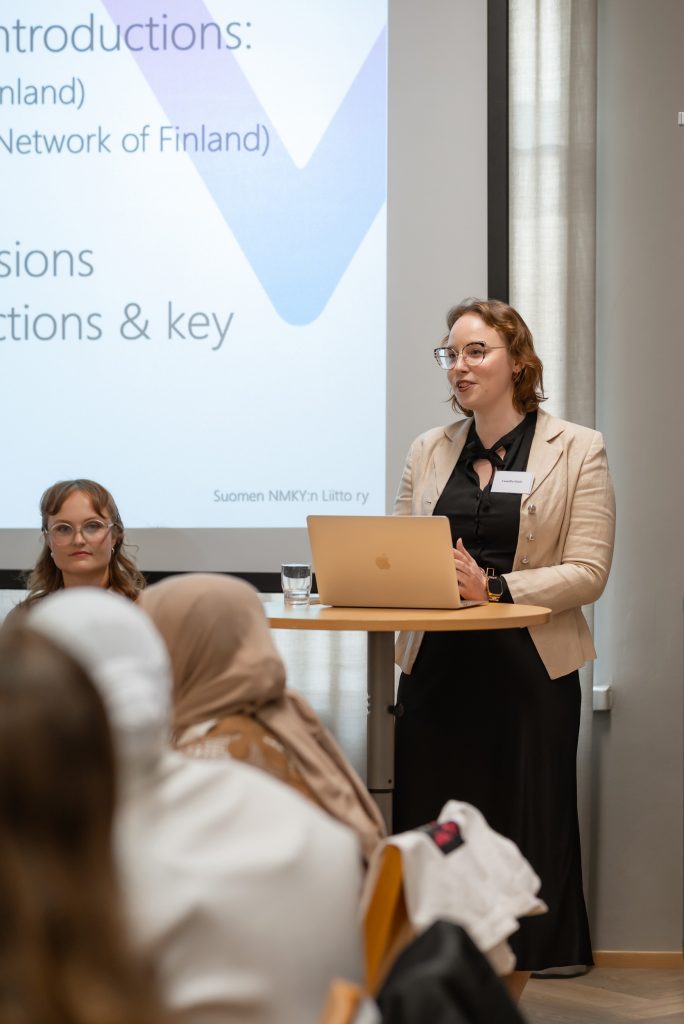
In September, YMCA Finland and the Youth, Peace and Security Network organised a dialogue on youth peace work in collaboration with the Finnish and South African Ministries for Foreign Affairs and Interpeace. The dialogue was held as part of the visit to Finland by the Youth Peace Mediators’ Mentoring Programme (YPMMP), which they coordinate.
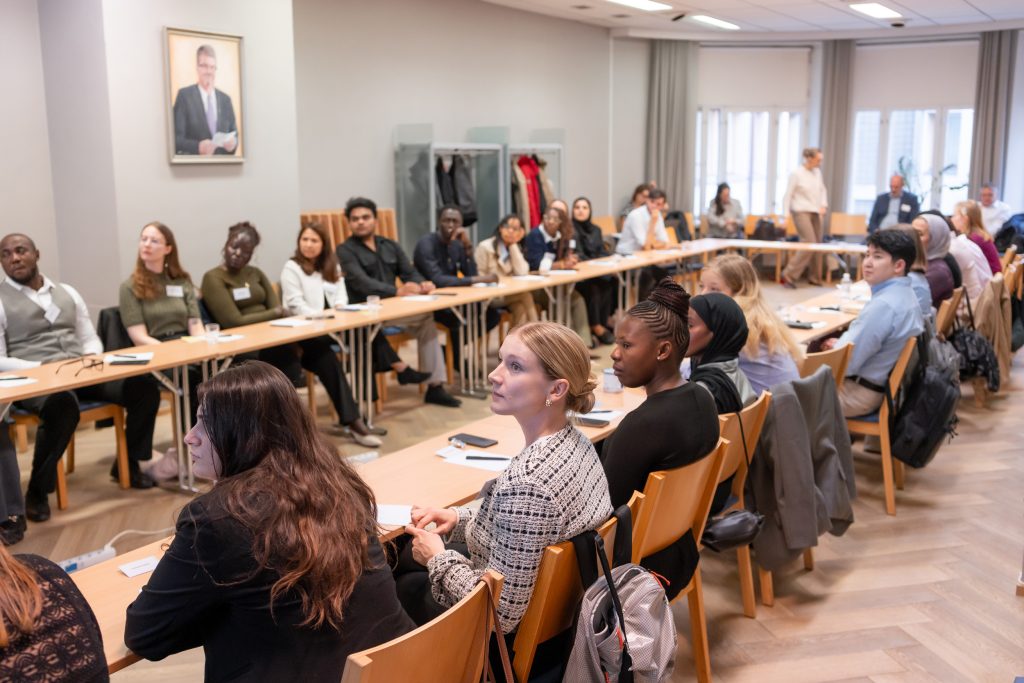
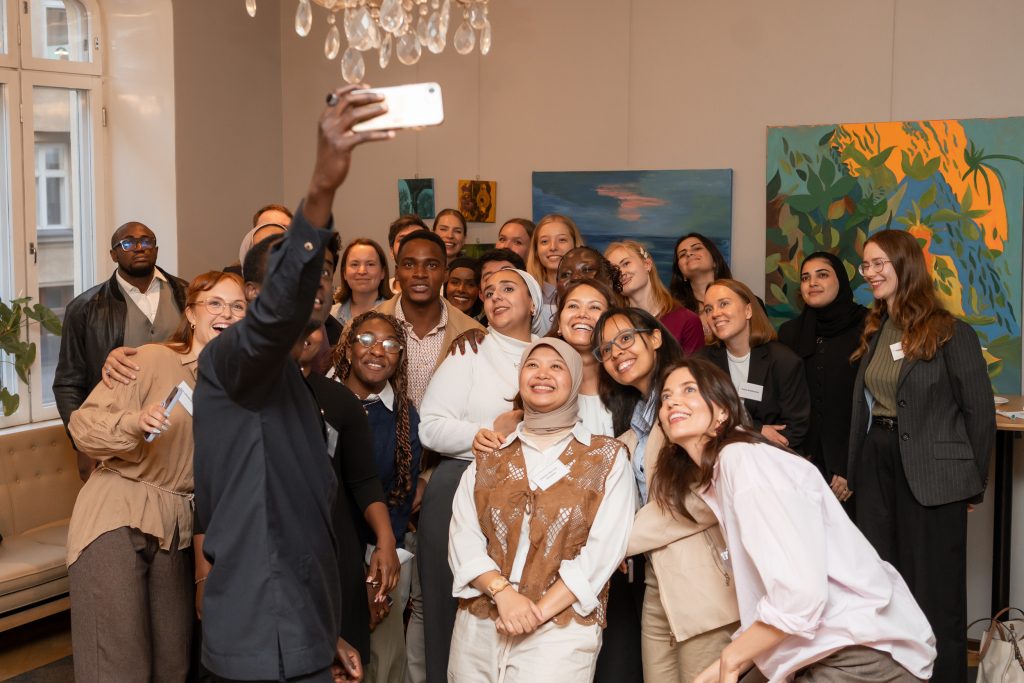
A total of 30 young people took part in the dialogue, half of whom were mentees on the programme and the other half young Finnish experts. The diversity of the young participants was reflected not only in their background organisations and areas of expertise but also in their countries of origin: in addition to Finland, participants were present from South Africa, South Sudan, Ethiopia, The Gambia, Nigeria, Jordan, Turkey, Qatar, Kazakhstan, Afghanistan, India, Indonesia, Ukraine, Colombia and Haiti.
Peer learning through dialogue
The meeting brought together young people engaged in peace work from diverse backgrounds, providing an excellent platform for peer learning. The participants were particularly keen to hear about Finland’s globally recognised peace work and the factors that make it possible. Finland is regarded as a trailblazer in the areas of Youth, Peace and Security (YPS), and Finnish young people played a significant role in the adoption of Resolution 2250. Furthermore, Finland was the first country to implement a national Action Plan on Resolution 2250.
Other topics that emerged during the evening included intergenerational dialogue, psychosocial wellbeing, the importance of networks and coalitions in peacebuilding, and gender issues.
Institutional and cultural barriers limit young people’s participation in peacebuilding
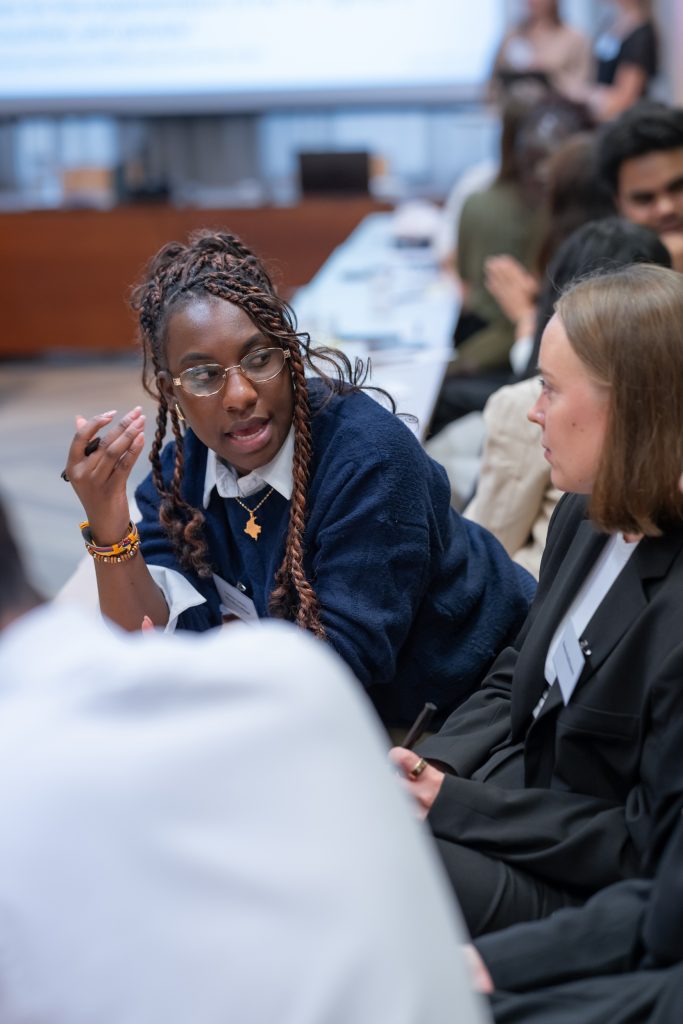
Different social contexts and their impact on young people’s opportunities to participate in peace work sparked a rich discussion. Young people identified several barriers to participation, including states’ indifference towards peace work, for example, in contexts where there are no conflicts or any immediate threat of conflict. Mistrust between civil society and the state was also seen as undermining young people’s opportunities to make their voices heard.
In addition to institutional barriers, cultural barriers, such as age- or gender-based hierarchies, also limit young people’s participation. Young people also highlighted the issue of ‘sham participation’ – their views may be heard, but they do not actually influence decision-making.
Kaikki valokuvat: Kaisa Strömberg
The social context determines the channels of influence
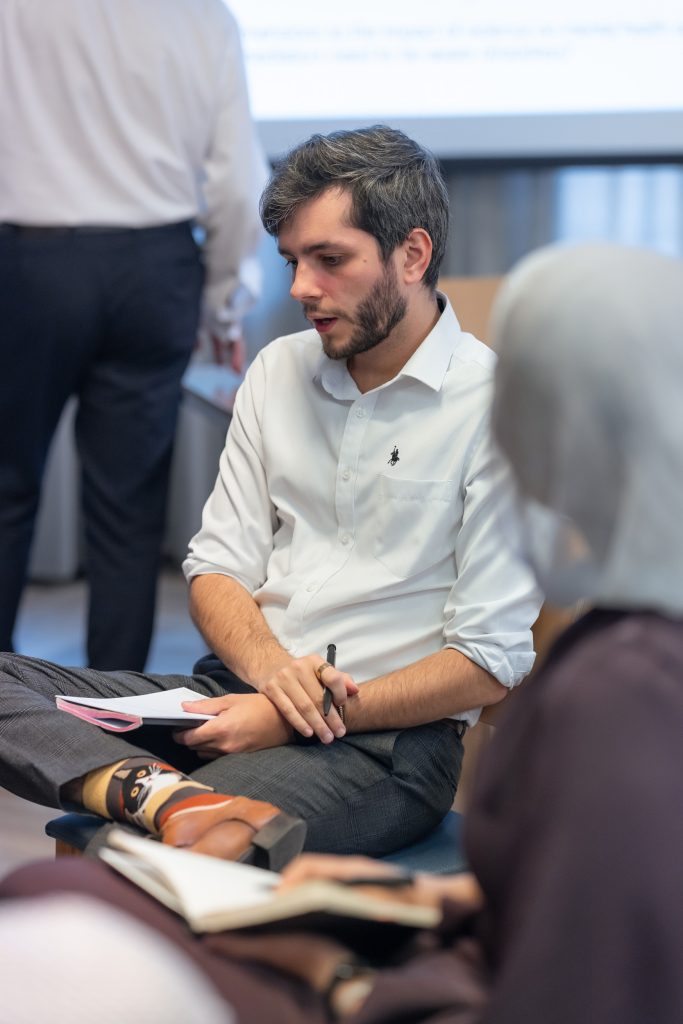
Young people emphasised the importance of understanding the social context, as barriers to participation and avenues for influence are always linked to societal structures. In Finland, for example, direct dialogue between young people and the state is possible because trust between civil society and the state is relatively strong. In other contexts, direct dialogue is neither possible nor advisable, so efforts to bring about change must begin through informal structures, such as grassroots networks.
Despite coming from different contexts, the young people shared a hope that institutions would take an interest in young people’s perspectives. In practical terms, this means the genuine involvement of young people in decision-making and peace-building work, even before conflicts erupt and grievances escalate.
Cross-border guidelines for achieving sustainable change
The transition towards a more peaceful world is not linear, but the young people highlighted a number of guidelines for sustainable change.
- Public debate must be diverse. Sustainable change can only take place if actions have the community’s approval. It is important to pay attention to power structures, such as the gender hierarchy, and to create space for the views of people other than men.
- Intergenerational dialogue supports young people’s peace work. Its benefits include, amongst other things, a long-term perspective, the transfer of tacit knowledge and the strengthening of mutual understanding.
- Identifying and creating peace networks. A smooth flow of information between different actors supports young people’s peace work and helps drive change in a unified and sustained manner.
Contact us:
Liisa Perkkiö
Head of International Programme
+358 50 549 2227
liisa.perkkio@ymca.fi