

World Humanitarian Day highlights the importance of protection
Liisa Perkkiö
19 August 2026
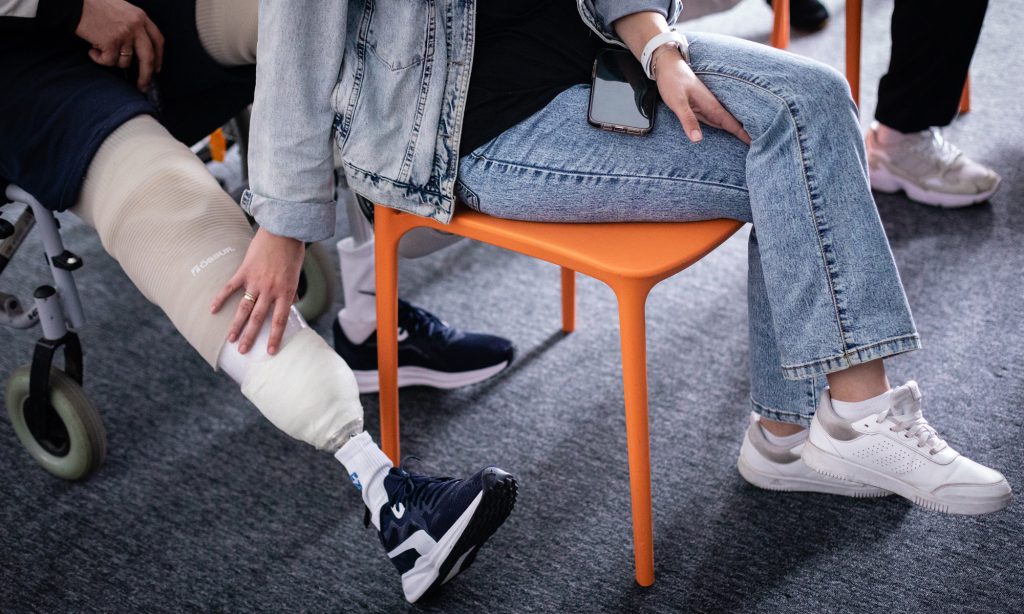
World Humanitarian Day, on 19 August, honours humanitarian workers and those who have lost their lives in the line of duty. The day serves as a reminder of the importance of humanitarian work and the ongoing need to protect both aid workers and the people they serve. Local aid workers, in particular, face significant risks, and their work demands exceptional mental resilience.
The YMCA’s humanitarian work supports children and young people amid war
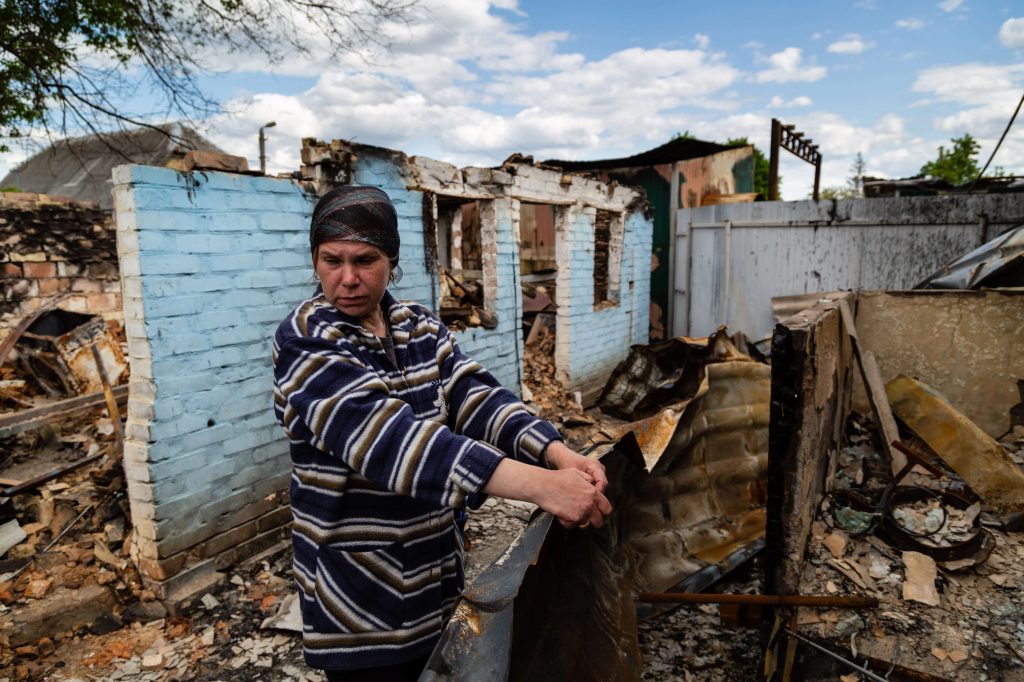
YMCA Finland supports the YMCA’s humanitarian work in Kharkiv, Zaporizhzhia and Kremenchuk in eastern Ukraine. Funded by the Finnish Ministry for Foreign Affairs, the project promotes the education and psychosocial wellbeing of children and young people amid the war.
Support is provided through, amongst other things, remedial teaching, the distribution of school supplies, mental health counselling and camp activities. At the same time, the project focuses on the skills and wellbeing of YMCA Ukraine’s staff and volunteers. They are trained, for example, in first aid and psychological first aid, so that they are equipped to support children and young people who have experienced the effects of war.
The camp offers a moment of normal childhood
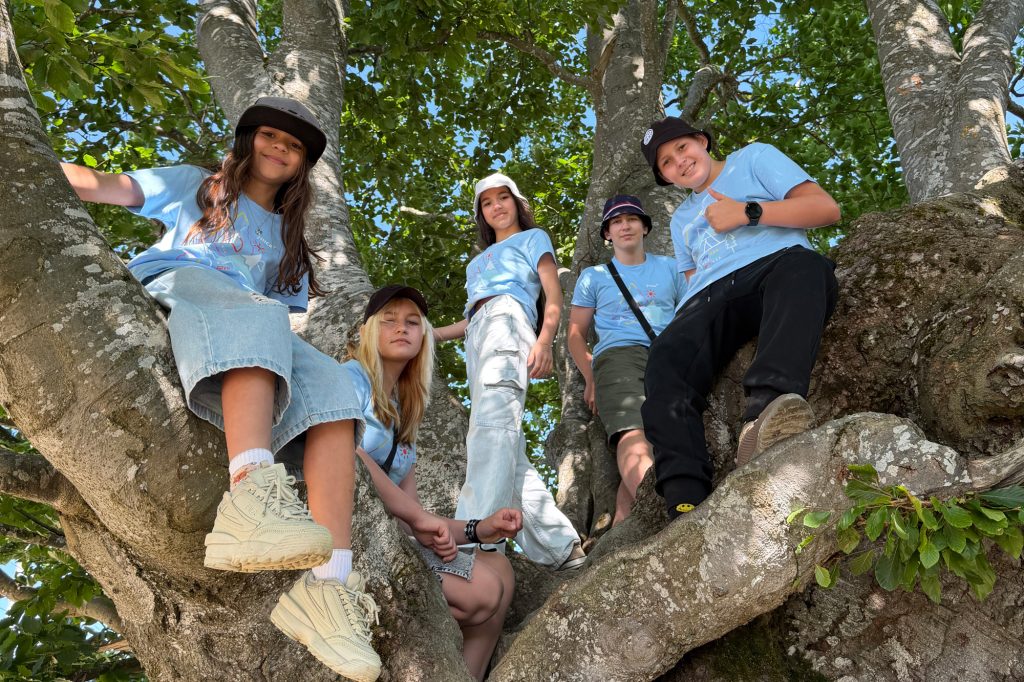
Camps are one way the YMCA supports the mental wellbeing of children living close to the front line. For many children, a safe environment where they can simply be children is anything but a given amid war. At camp, children can focus for a while on play, friends and new experiences, rather than being constantly on their guard.
Dymytriy Lysetskyi, a psychologist at YMCA Ukraine, describes the importance of the camp as follows: “For children living in the midst of war, the ordinary norms of childhood are unfamiliar. That is why the camp is not just a few days’ rest. It is an opportunity to show a child that there is another kind of life. A life where, at night, you can simply sleep. Where you don’t have to think about where to run during explosions.”
Staff must be able to deal with the effects of war
Although the aim at the camps is to create as normal and carefree an environment as possible for the children, camp counsellors working in the midst of war are required to have specific skills. In addition to strong first-aid skills and preparedness for air raids, psychological skills are vital. Where necessary, a trained psychologist is also on hand to support the children.
“A camp leader must be sensitive to children’s emotional states, avoid pressuring them to talk about the war, and simply be there – offering support and giving children the chance to be ordinary children,” explains Yulia Dekhtiarova, a camp leader with YMCA Ukraine.
Humanitarian work also involves building security, hope and opportunities in situations where the normal framework of life and childhood has been disrupted. This is yet another reason why it is so important to protect humanitarian workers and strengthen their expertise.
Contact us
Liisa Perkkiö
Head of International Programme
YMCA Finland
+358 50 549 2227
liisa.perkkio@ymca.fi