Why we need the Youth Peace Award
The Youth Peace Award recognises young peacemakers and their long-term work. Young people work to promote peace in countless ways, both at the grassroots level and by influencing institutions, but their enormous contribution to peacebuilding often goes unnoticed. Young people build peace by, among other things, raising awareness of human rights and encouraging solidarity, building trust, and mediating conflicts.
As one of the world’s largest youth organisations, we want to highlight that by supporting young people’s social participation and opportunities to influence, we also best support the realisation of safe and peaceful societies.
Principles of the Youth Peace Award
The award is given to a person aged 29 or younger, or to a community working with young people, that has supported peace through its activities or work. Acts of peace can be small or large, found near or far. The recipient of the Peace Award may influence decision-making at round-table discussions or provide security in everyday life as a friend and supporter. Anyone from private individuals to organisations can nominate a candidate.
The selection from among the nominated peacebuilders is made by a jury composed of Finnish youth organisations and peace activists.
The award is based on a UN resolution
Finland published the world’s first Action Plan on Youth, Peace, and Security (2021–2024), which aims to strengthen the role of young people in peacebuilding at all levels, from grassroots initiatives to international cooperation.
The Youth, Peace and Security agenda—comprising the action plan and the UN resolution of the same name adopted in 2015—obligates all UN member states to develop methods to strengthen youth participation in peacebuilding. At Finland’s initiative, the Youth, Peace, and Security programme was also placed at the centre of the international YMCA movement’s work.
Patron of the Award
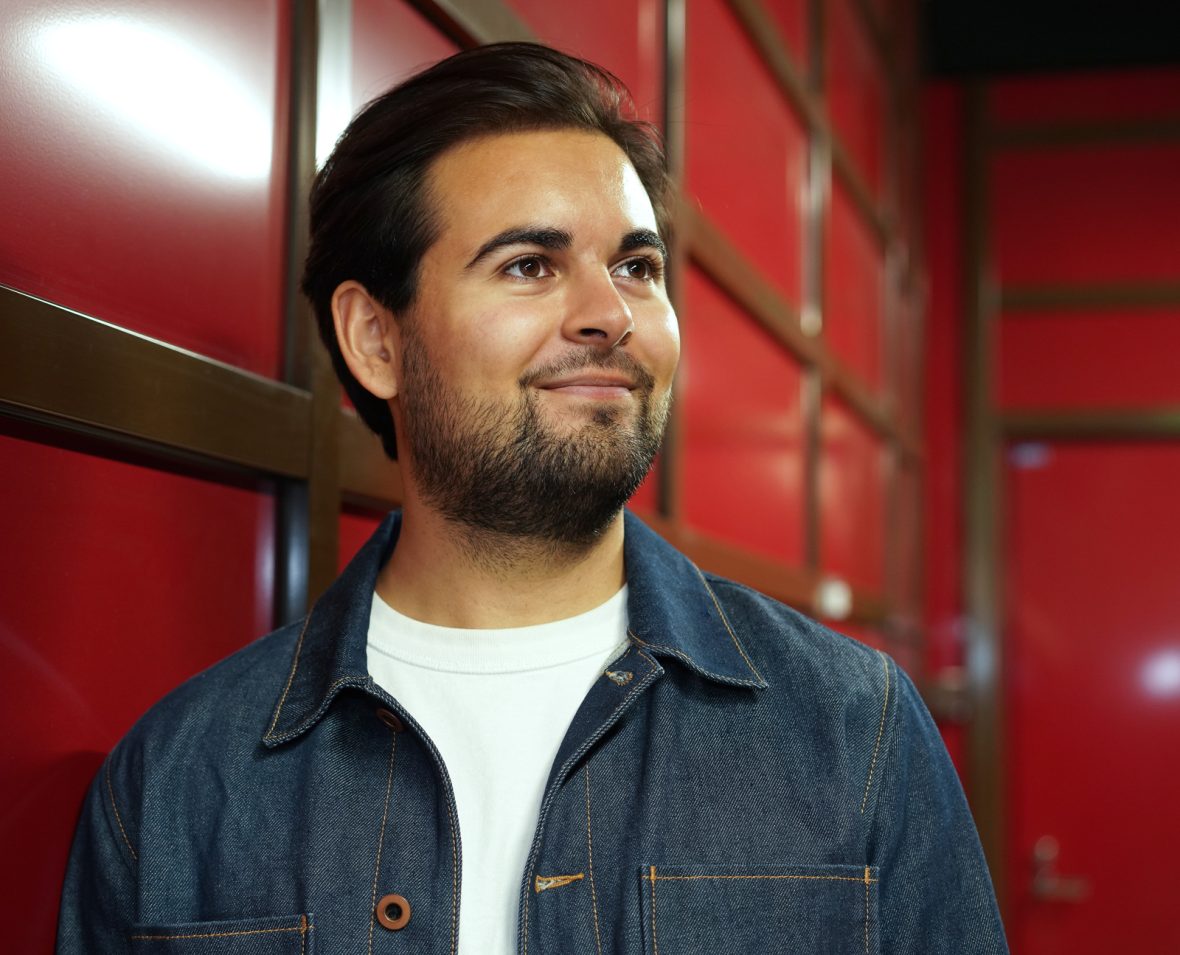
The patron of the Youth Peace Award is a football referee and human rights advocate, Mohammad Al-Emara. Through his own example, he has demonstrated how personal ethics and courageous grassroots actions can lead to initiatives that impact society as a whole.
Mohammad Al-Emara has been named Veikkausliiga Referee of the Year no fewer than six times. He works as a FIFA referee and has been promoted to UEFA’s top referee category (the Union of European Football Associations).
Our Peace Work in Finland
YMCA Finland is the umbrella organisation for the YMCA movement in Finland and a program partner of the Ministry for Foreign Affairs. Together with its YMCA partners in six countries, it implements the “Youth Resilience: Shaping the Future” development cooperation programme. Our programme is based on priorities defined by local communities and on challenges that acutely affect young people. Its overarching theme is strengthening youth-led peacebuilding and agency. The volunteer work we carry out both domestically and abroad also offers young people the opportunity to develop their potential as peacebuilders.
YMCA’s Peace Work Around the World
Promoting youth well-being and providing opportunities for community-based and peaceful activities has been our goal since the YMCA’s founding. Three Nobel Peace Prizes have been awarded to individuals associated with our organisation: Henry Dunant, who united the YMCA into an international movement and later founded the Red Cross; John R. Mott, and our president, Martti Ahtisaari—all grew up to become peacemakers under the YMCA’s wing.
The World Alliance of YMCAs represents the YMCA movement in international peace forums, as our organisation holds partner status with the UN Refugee Agency, consultative status with the UN Economic and Social Council, observer status with the International Organisation for Migration, and collaborates with the UN Human Rights Council, UNICEF, and UNESCO. Local YMCA associations around the world are steadfast, active, and independent civil society actors that carry out grassroots peace work in all their programs. The International YMCA Movement’s new Vision 2030 strategy and programs now cover all 17 UN Sustainable Development Goals.